Second to an armed homeowner, which is something that is typically not advertised nor necessarily believed by the intended targets of the warning, one thing that most criminals fear is dogs. “If you’re scared, get a dog” is a piece of advice often thrown out by shallow thinkers arguing that citizen ownership of guns is not necessary, or (condescendingly) to single women, on the assumption that she can’t handle a weapon and needs something large and loud to protect her, absent a man. Indeed, it is one of the oldest benefits of the dog-human alliance; many anthropologists think that the warning of intruders undetectable by human senses provided by wild canines hanging out for scraps at a human settlement was the earliest reason humans started encouraging them to stick around.
Unfortunately, as with guns, there is a metric ton of bullshit out there on guard dogs. For one thing, the vast majority of dogs aren’t, even if they ARE large and loud, and for another, what a good guard dog really is is often misrepresented. We’ll start with the first and most important problem, that of definition.
A watch dog is a dog that barks to alert you to a problem or potential problem. They bark when they see people coming, they bark when they hear odd noises, and burglars HATE them. (So do neighbors, if their owner doesn’t understand how to guide the dog’s barking.) A watch dog can be any size so long as it considers it its business to watch for potential problems and alert on them. Most dogs in general do; just about any mutt can do quite well at this job. The trick, usually, is teaching them what is and isn’t a potential problem- many dogs enjoy barking for the sheer sake of barking and may decide that any change, such as an unexpected falling leaf, is worth a good round of barking. Breeds that you should not tap for watchdog duties include most Nordic sledding breeds and sighthounds; although there are many exceptions, most individuals of these groups simply don’t consider approaching strangers a problem worth raising a ruckus over. Their jobs lie elsewhere. Just about all others qualify.
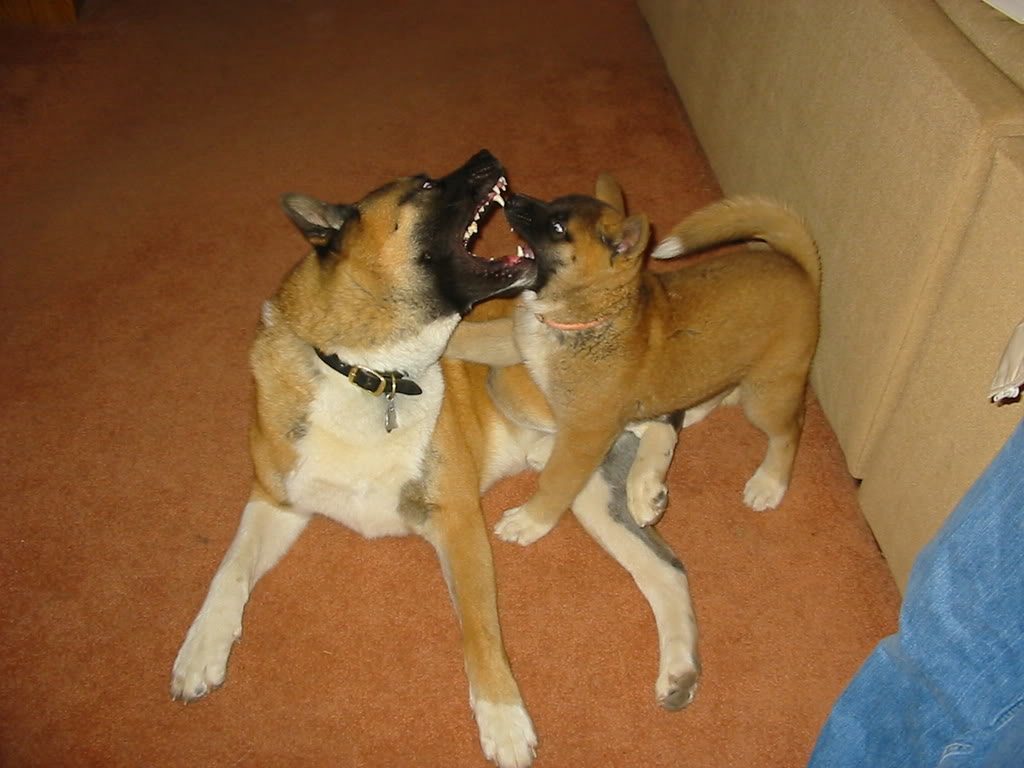
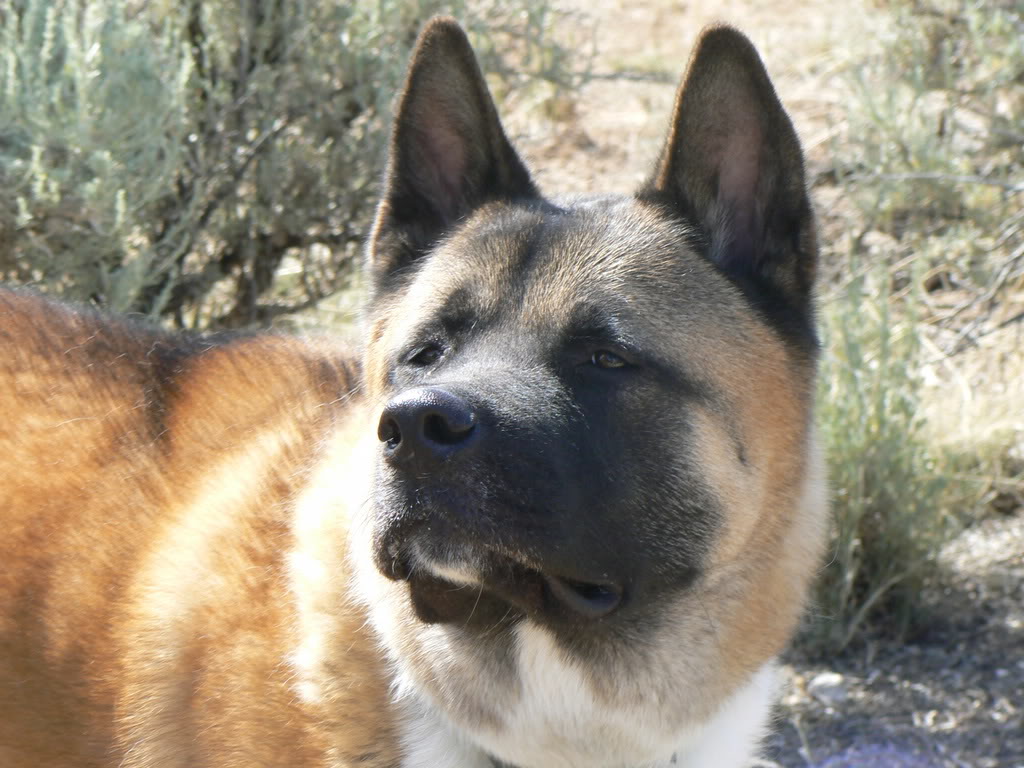
A guard dog is a dog that will alert you to a problem- but also try and deal with the situation itself. A watch dog might, in the frenzy of excitement, try something, but not reliably and it often may not have any idea what exactly to do, any more than a spaniel who has found a rat would have as clear an idea of what to do with it as a terrier. Guard dogs have strong territorial and protective instincts that give them the confidence to do something and some genetic idea of appropriate actions, which range from a strong threat display to knocking down and holding to an out and out mauling. The guard dog might seem more desirable- more bang for the buck- but the hitch is that dogs, being dogs, develop different ideas on what constitutes a “problem” than humans do. A dog has no idea of the difference between a trespasser and the meter reader who comes into your yard when you’re not home. With a dog whose only instinct is to bark (and many barkers will become friendly if the stranger is brave enough to approach and be friendly), this is not an issue; with a dog whose instinct is to do whatever it can to stop the intruder, it sure as hell is. Unless you are living somewhere truly remote, or in an anarchic region where criminals are more common and bolder than civil employees or stupid neighbors, the odds are vastly greater on your dog encountering a harmless stranger than a malicious one. Once upon a time, Americans in general regarded it as a matter of course that you deserved to lose a chunk of flesh if you trespassed and encountered an unfriendly dog, but this is no longer true. As it is, in many areas even having a “Beware of Dog” sign can be construed in court as an admission that you know your dog is dangerous, and put full liability on you if your dog bites someone, even if they were very obviously doing something they shouldn’t have. It is the responsibility of any owner of a guardian breed, cross, or random dog with a strong protective instinct to carefully socialize the dog, train it to be responsive even when agitated, and make sure that situations like the aforementioned meter reader don’t easily set themselves up. It is not a light one, or an easy one, and many dog-savvy folks who don’t live in an area with a crime problem prefer never to have any guardian breeds at all because of this. They prefer dealing with potential problems that are less likely to end in stitches, lawsuits, and euthanasia.
Let’s go back to “If you’re scared, get a guard dog!”. This is an extraordinarily bad idea for most people to whom the advice is given, at least if they are genuinely anxious about potential for harm from strangers, and especially if they are passive or anxiety-prone in general by temperament. Although there is a scale of softer to harder among guardian breeds, ALL of them are mentally and physically strong animals who need clear, calm, and confident leadership. They have to be, or they wouldn’t be able to do the job they were designed for. An anxious owner who may encourage all signs of protective or aggressive behavior can easily create a dog that not only makes the decisions about what a problem is, but feels extra pressure to be aggressive because it does not trust its owner’s ability to handle problems. A healthy guard dog puts its owner’s leadership and judgment first; an unhealthy one thinks the job is its alone. Worse than that, its owner having abdicated leadership in threat assessment and handling, many dogs will decide the owner is no leader at all and take the job itself. A dog that perceives itself as in charge may punish a subordinate that tries to override its decisions with its teeth- making the guard dog a bigger threat to its owner than the hypothetical criminal is. Most dog trainers, especially those in big cities with crime problems, are familiar with seeing elderly or timid clients who bring in guardian breeds they have neither mental nor physical control over, victims of the “If you’re scared, get a guard dog” line. Sometimes they learn to step up and provide the structure and authority the dog needs; more often they simply have way more dog than they can handle, and the dog ends up rehomed or euthanized.
Even after all that, a guard dog is often no match for a determined criminal: their weapons are short-range, their judgment of exact threat level presented by individuals is often questionable, and they are quite simply vulnerable to bullets, poison, and other weapons. They are no universal protection against goblins even when correctly raised and trained.
So, what good could they be, then? They still have senses that humans don’t, and they make excellent alarms, like their lower-power cousins the watch dogs. They are marvelous deterrents (though this also applies to any large dog without a reputation for universal friendliness). They can make the difference between a walk in the park being a pleasant, stress-free evening and an occasion for high-alert concealed carry. They are faster and more agile than humans, and in a truly all-has-gone-to-hell situation can be a huge help against the foe; just ask the military why they love their sentry dogs. A good one can corner a trespasser and hold them there, giving you time to prepare to deal with them and arrive before they can escape. They can be, in short, everything good a dog realistically can be- but they are not better than an alert, trained, effectively armed human.
In short, against humans they can be excellent assistants- NOT primary guardians.